Application desk: +1-800-555-0147 | [email protected] Global documentation | EN

Industries

Choose instruments around the work your laboratory must defend

Corning maps analytical and laboratory instrument choices to the way each sector proves control. The same pipette, tube, or filtration workflow may carry different documentation pressure in a GMP suite, a food safety lab, a university research group, or a clinical diagnostics setting.

Pharmaceutical and life sciences lab

Pharmaceutical & Life Sciences

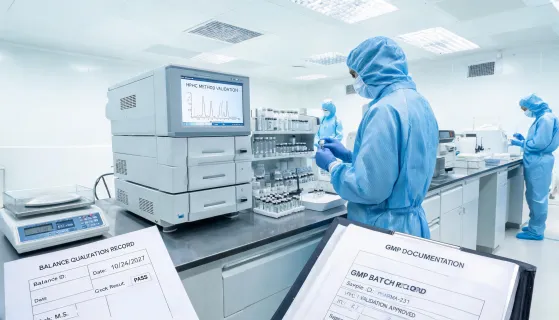
HPLC method validation, balance qualification, and sample preparation instruments need traceability that survives internal and external review. Corning helps define tube formats, filtration choices, pipette practices, and calibration intervals around GMP, Annex 11, and method ownership.

Best fit when documentation is as important as throughput.
Food safety and quality lab

Food Safety & Quality

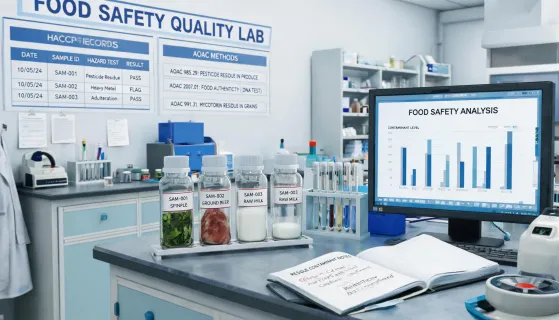
Food laboratories need repeatable sample handling and clear links to HACCP, ISO 17025, and recognized methods. Corning supports consumable and instrument selection for residue checks, contaminant screening, authenticity work, and routine quality release.

Best fit when sample volume and method repeatability drive purchasing.
Environmental monitoring analytical lab

Environmental Monitoring

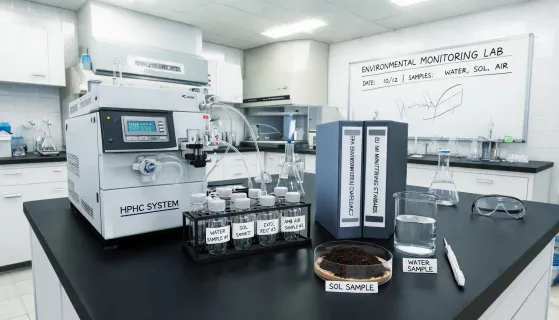
Regulatory monitoring depends on consistent sample preparation and defendable records. Corning helps teams connect filtration, storage, liquid handling, and instrument support to EPA, EU 16000-series, and equivalent national rules.

Best fit when sampling programs cover multiple matrices.
Academic and research laboratory

Academic & Research

Research groups need flexible tools that still produce reliable records. Corning supports chromatography, microscopy, sample preparation, and teaching workflows with guidance that can be shared across principal investigators, lab managers, and purchasing offices.

Best fit when many users share a bench or instrument set.
Clinical diagnostics laboratory

Clinical Diagnostics

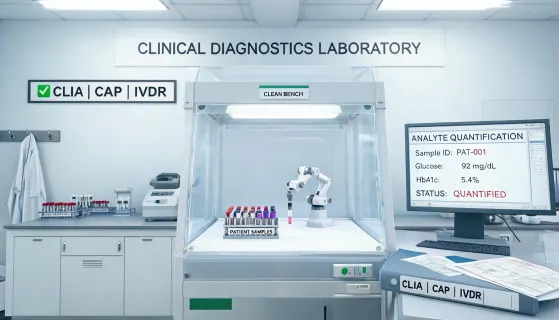
Clinical teams need sample handling, balance, and analyte quantification systems that fit CLIA, CAP, and IVDR documentation expectations. Corning helps clarify the product path before a replacement or new method affects patient-facing turnaround.

Best fit when documentation and continuity must move together.

Selection checklist

1. Define sample risk

Clarify volume, matrix, sterility, storage, and rejection consequences.

2. Match documentation

List the records needed for quality, audit, publication, or regulatory submission.

3. Set service intervals

Plan calibration, replacement, and procurement timing before urgent work starts.

4. Confirm ownership

Name who approves substitutions, receives certificates, and maintains the method file.

Need help mapping an industry workflow?

Tell Corning which sector, sample type, and documentation framework you support. We will suggest a clear selection path.